When the fighting stops, the body keeps fighting.
We bring body-based trauma care to people living through war, and train local clinicians and veterans to carry it on. In Ukraine since 2006.
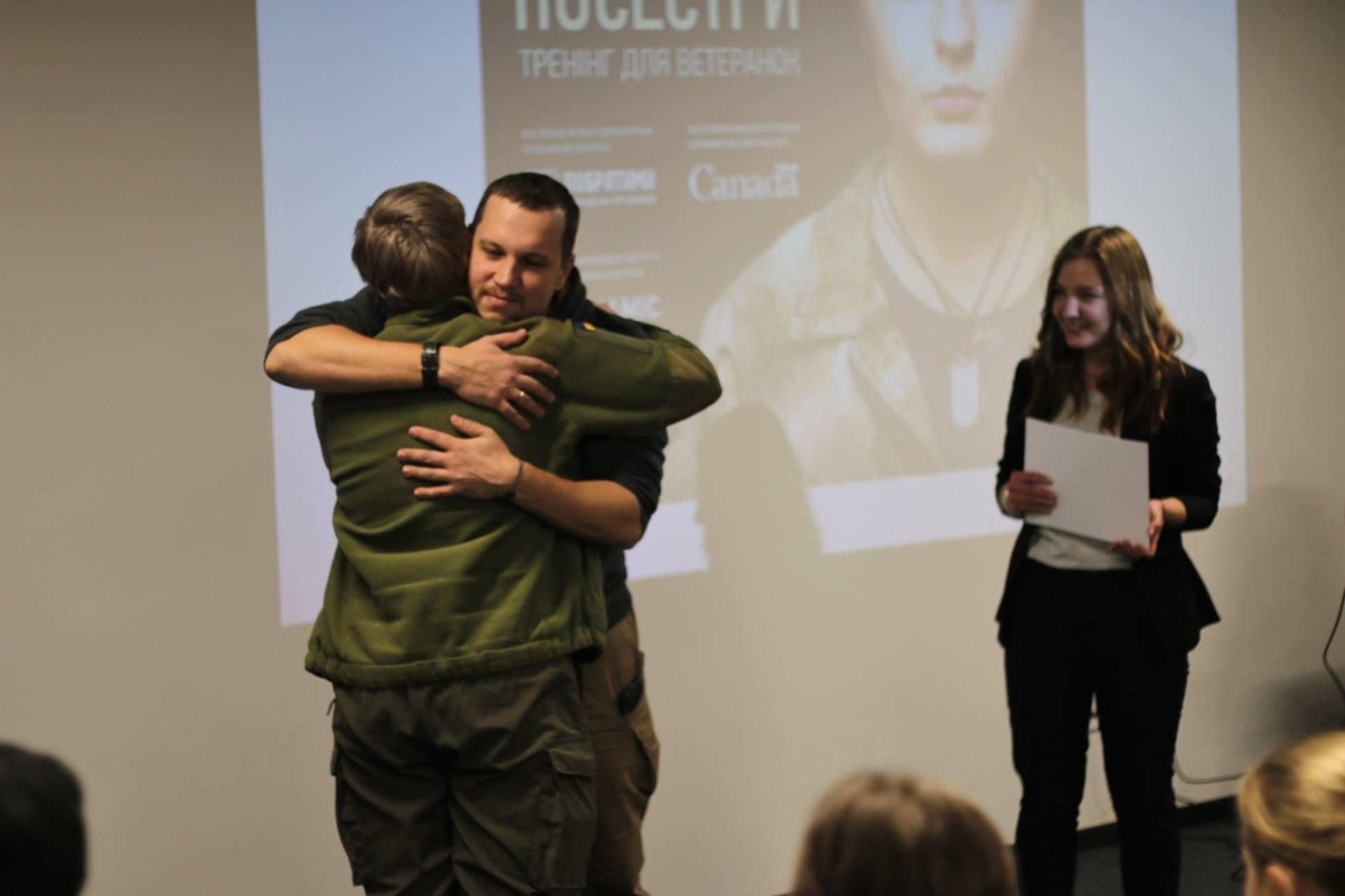
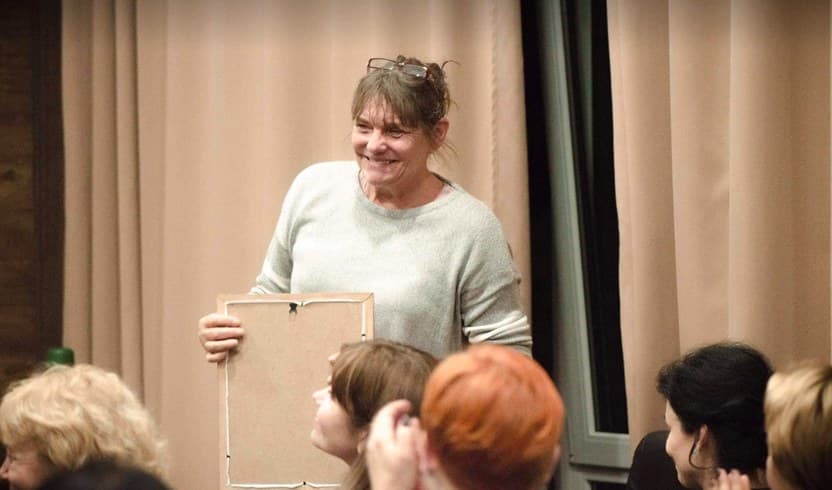
Closing a training session in Lviv.
Trauma isn’t only a memory. It lives on in the nervous system: in sleep, in breath, in a body still braced for the next blast. Talking alone often can’t reach it. Bodynamic works with the body directly.
- First Bodynamic trainings in Ukraine
- 2006
- First Bodynamic trainings in Ukraine
- Veterans in the first veterans’ training
- 28
- Veterans in the first veterans’ training
- Months of the Equal to Equal training, in four modules
- 8
- Months of the Equal to Equal training, in four modules
War doesn’t stay on the front line. It moves into the body.
toleranceShutdown
Alarm
A racing heart, no sleep, every sound a threat. The body stays braced for danger long after it has passed.
Shutdown
When alarm becomes too much, the system drops: numbness, exhaustion, cut off from other people and from yourself.
Back in the window
Body-based work helps the nervous system settle inside the window of tolerance, where people can sleep, think and connect again.
Care that outlasts the headlines
Bodynamic is a somatic method developed in Denmark over four decades. Our model is built so it keeps working after we leave.
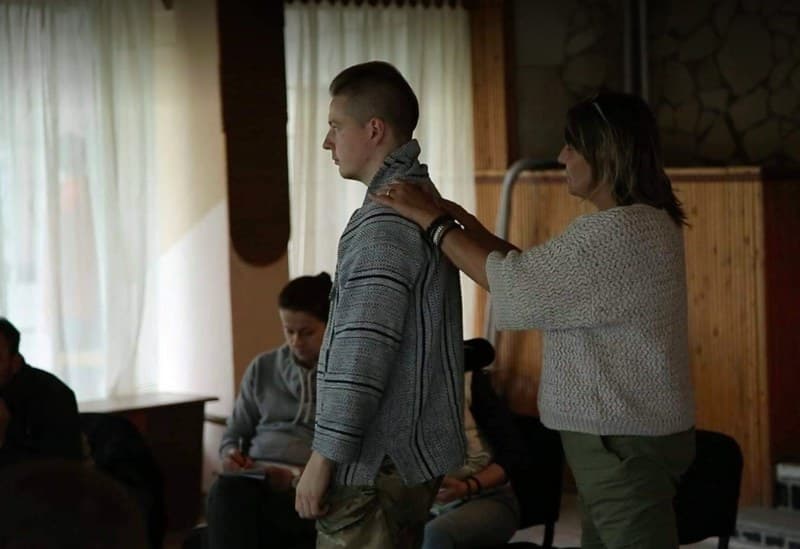
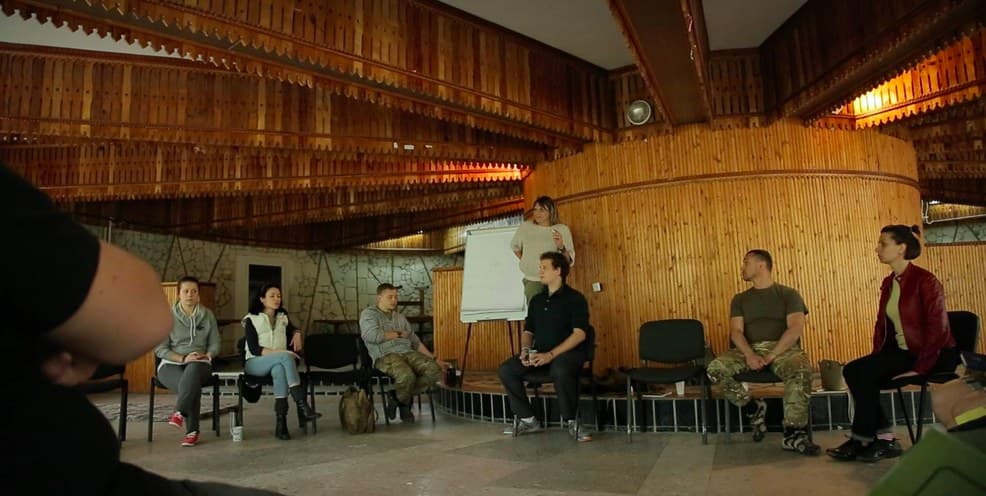
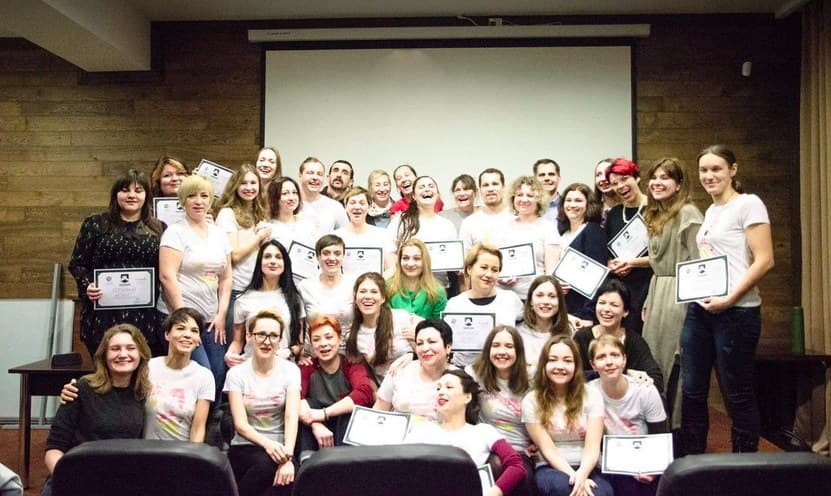
Hands-on work in a veterans’ training
Stabilise
We start where people are: shelters, clinics, displacement settings, rehabilitation camps. Short, structured body-based sessions with no equipment, in the weeks when formal care can’t yet meet the need.
Train
Local clinicians, medics, teachers and veterans learn the same methods. Veterans train veterans, on the Equal to Equal principle: it takes one to know one.
Hand over
Crisis leaves the headlines long before it leaves the body. We stay for the slow work, then leave it in local hands. Today the work in Ukraine is Ukrainian-led.
The evidence so far
A preliminary study followed the first two groups of the veterans’ training through four modules. The share with severe trauma symptoms fell from 40% to 8%.
40%
at the second module
8%
by the fourth module
Impact of Event Scale, Overcoming Shock Trauma and PTSD training for Ukrainian veterans, groups 1.0 and 2.0. Over the same period the share with no clinical symptoms rose from 0% to 15%. Preliminary research report. Read the report
“I told them that they were not sick, but that they were having a healthy reaction to an unhealthy situation.”
 Ditte Marcher, international Bodynamic teacher and creator of the veterans’ training
That shift from illness to growth shaped everything after it. The first veterans’ training filled with 28 people. Its graduates now run trainings for other veterans themselves, including at the Heart of the Warrior rehabilitation centre in Kharkiv.
In their own words
Read their stories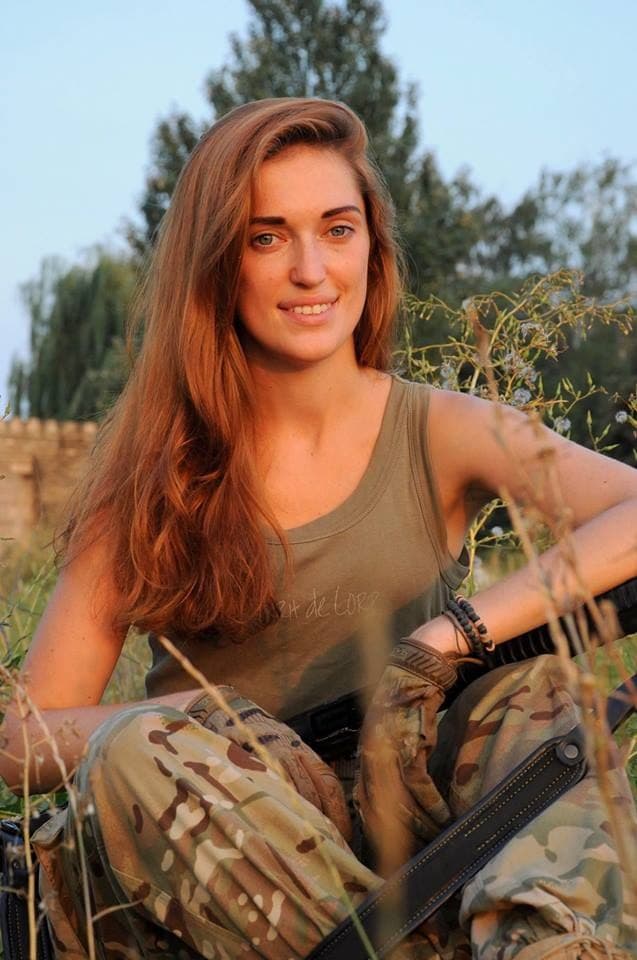
Kateryna Podzizey
Combat medic and volunteer, Ukraine
“The war changed me. It is not good and not bad. It is just a fact — now I need to accept this new me.”
From chaotic survival to a life with direction.
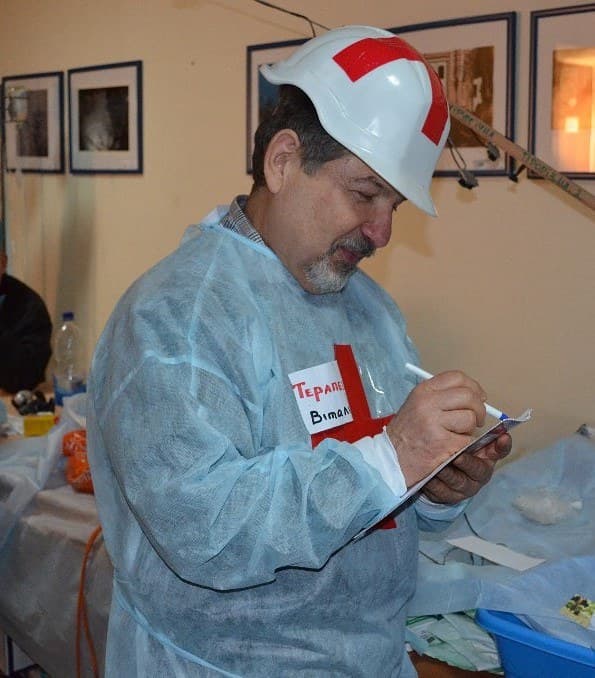
Vitaliy Kabashniuk
Therapist and medic, Maidan first-aid post
“An old lecturer is crying, talking about psychogenic self-regulation, and cannot get a hold of himself in front of so many students. Suddenly one of them stood up and clapped.”
From uncontrollable spasms to steady professional ground.
From the field
A workshop where children relearn safety in their own bodies, and a training for the professionals who work with them. Both are part of the Raise.UA rehabilitation programme in Ukraine.
About Raise.UABuilt in Ukraine. Needed far beyond it.
Ukraine
Active since 2006
Veterans, displaced families and the clinicians who care for them.
The work in UkraineMiddle East
Talking to partners
Gaza, Syria and Lebanon: preparing a first training group with local clinicians.
Help us startAfrica
Listening
Mapping needs and partners. No deployment date yet, and we won’t invent one.
Partner with us

Led by people who know the work from the inside
Veterans, combat medics, psychiatrists and psychotherapists. The work in Ukraine is Ukrainian-led.
Meet the team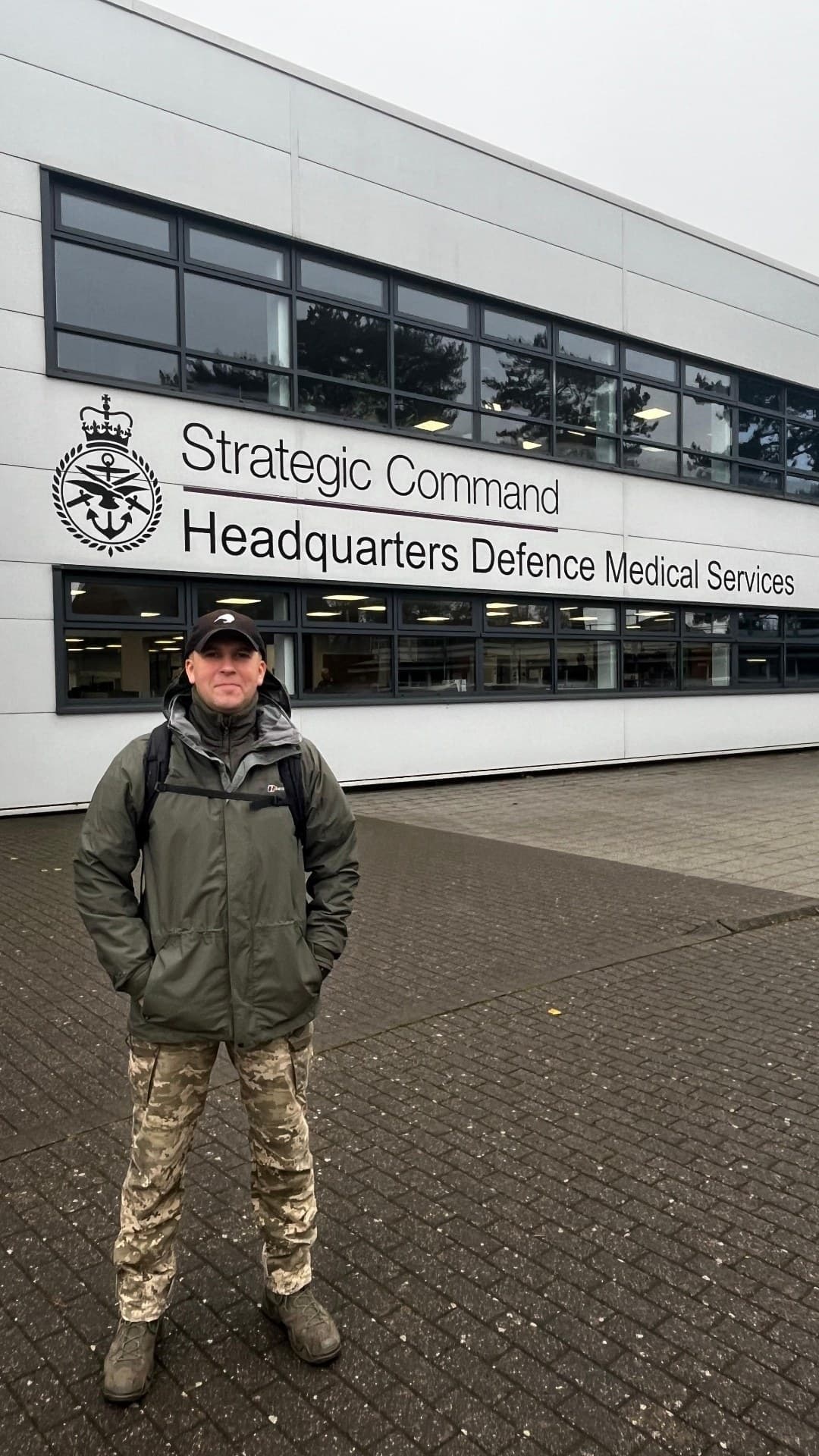
Oleh Hukovskyy, MD
Psychiatry and combat stress
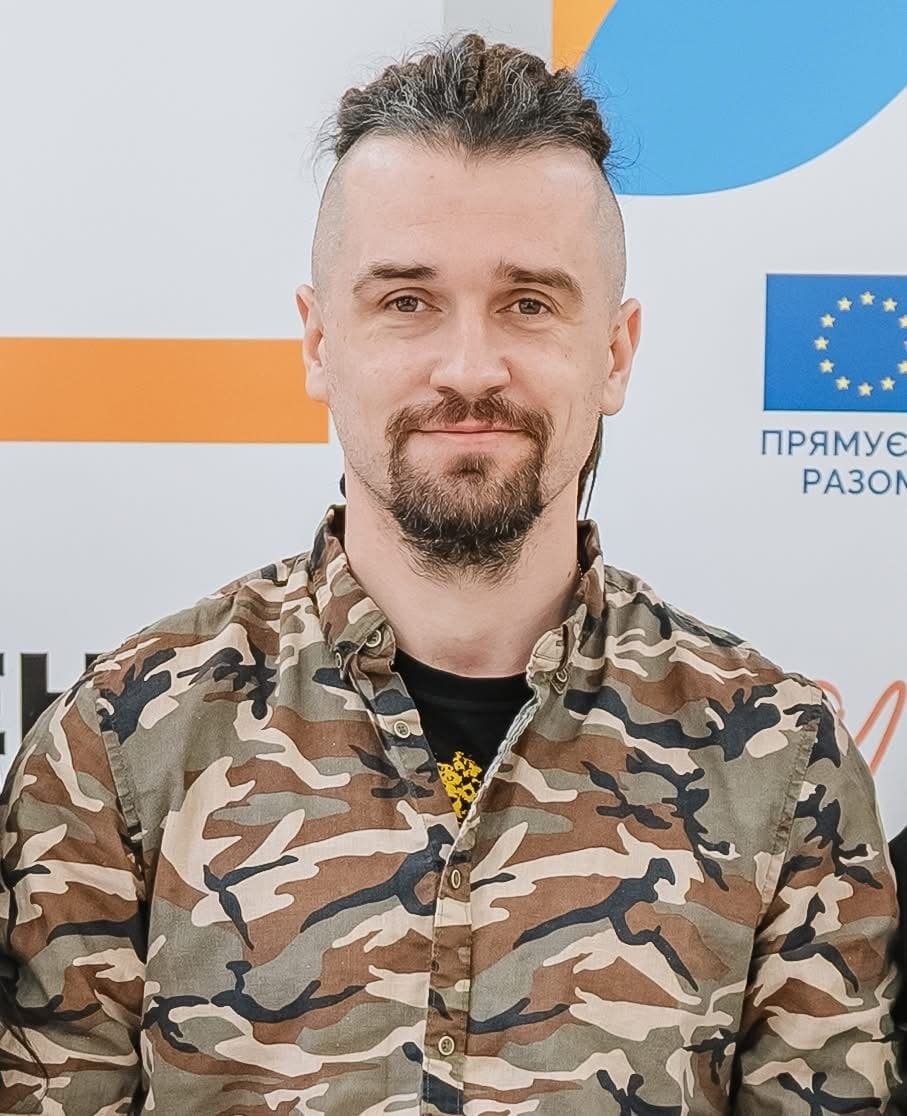
Volodymyr Halashchuk
Crisis and recovery
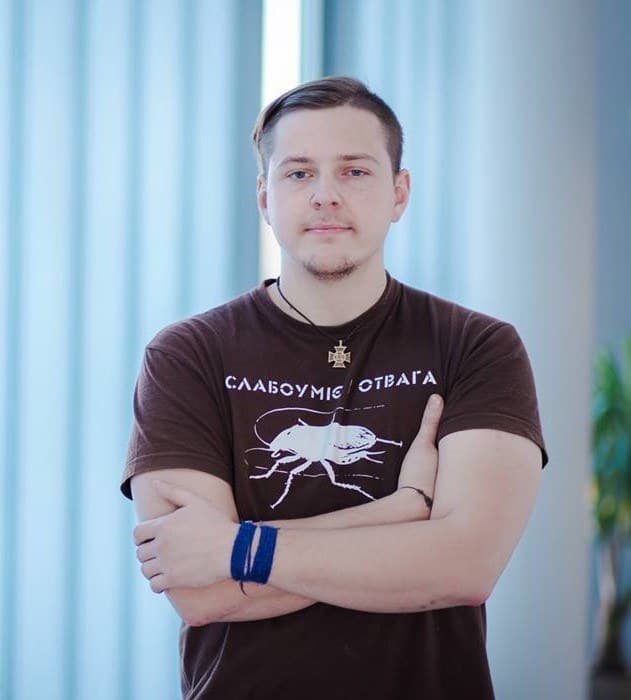
Taras Kovalyk
Peer-based recovery
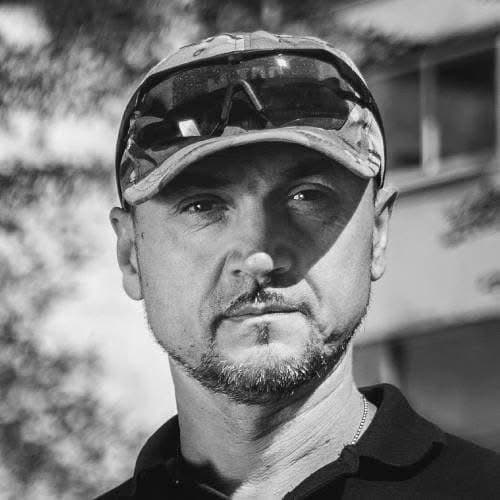
Igor Kholodylo
Frontline medicine and trauma
Keep the trainings running.
A monthly gift lets us plan trainings months ahead, instead of waiting for the next appeal.
- Crisis support in communities affected by war
- Training for local clinicians, medics and veterans
- Long-term recovery work with veterans and their families